- Loan Signing Agent Corona, CA
- Estate Planning
- Services
- Acknowledgements vs. Jurats
- Frequently asked questions
- Areas we serve
- About Me
- Hours and pricing
- Notary in Corona
- Notary Services Norco
- Notary in Eastvale, CA
- Blog
- Contact Kimberly Kendall at Kendall Mobile Notary
- Notary in Jurupa Valley, CA
- Loan Signing Agent in Norco, CA
- Riverside Notary Service
- Notary for Legal Documents in Corona, CA
What Does It Mean To Have A Document Notarized With A Notary Public?
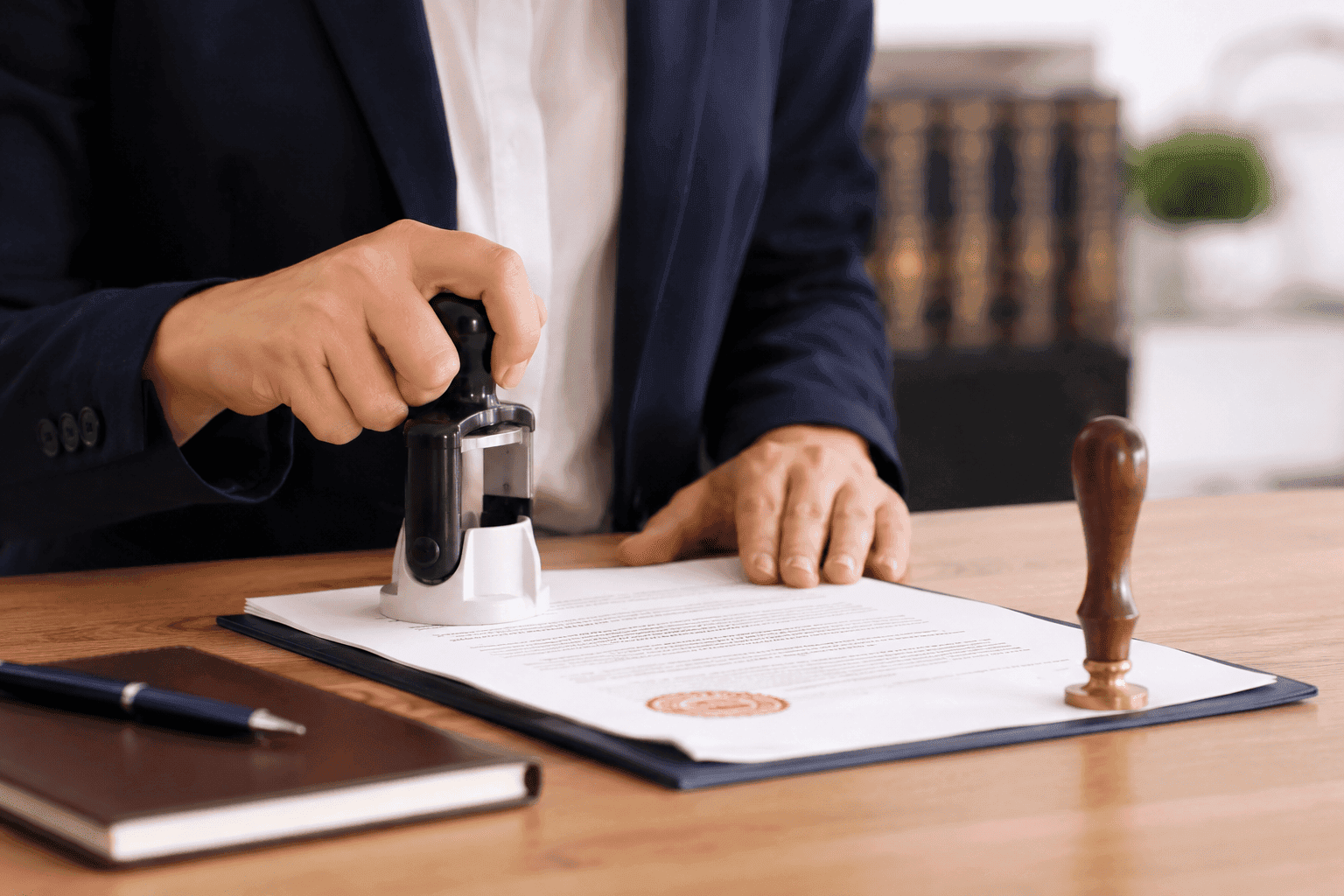
When a document needs to be notarized, it means a notary public performs a formal step in the signing process. The notary verifies the identity of the signer, confirms the signer is present for the act, and completes the required notarial certificate. The purpose is to help deter fraud and create confidence around the signing event.
Many people assume notarization means the notary has reviewed the document and approved everything in it. That is one of the most common misunderstandings. A notarization is not a legal review, and it is not a judgment about whether the document is good, correct, or appropriate.
Instead, notarization focuses on the person signing and the act taking place. The notary is there to confirm identity, witness or receive the required acknowledgment or oath, and complete the official notarial step. That is what gives the notarization its value.
What Notarization Means In California
In California, notarization is a regulated process with specific rules. The signer must personally appear before the notary, provide satisfactory proof of identity, and complete the notarial act in the notary’s presence. After that, the notary completes the certificate and applies the official seal where required.
This is important because California places strong emphasis on personal appearance and proper identification. A notarization is not just a quick stamp placed on a page. It is a formal process that must be handled carefully and correctly from start to finish.
It is also important to understand what the notarization does not mean. A notarized document is not automatically “approved” by the notary. The notary is not certifying the truthfulness, accuracy, or legal effect of the full document.
The Role Of A Notary Public
A notary public is a state-commissioned official who acts as an impartial witness during certain signing events. The notary’s role is to verify the signer’s identity, make sure the signer is present, and complete the proper notarial act. That role helps support trust in documents that may later be used for important personal or financial matters.
The notary is not a party to the transaction and does not benefit from the document being signed. That impartial role is one reason notarization carries weight. It adds a formal layer of confidence to the signing process.
In California, the notary may also create a journal entry for the appointment. For certain documents, including powers of attorney and some real property documents, a thumbprint in the journal may also be required. These extra recordkeeping steps show how seriously the process is treated.
What A Notary Does Not Do
A notary does not act as an attorney during the appointment. The notary is not there to interpret legal documents, recommend which form someone should use, or explain legal consequences. The role stays focused on identity, presence, and proper completion of the notarial act.
A notary also does not confirm that everything written in the document is true. That point is especially important because many people assume the notary is certifying the full contents. In reality, the notary is certifying the signing event, not endorsing the document as a whole.
That is why professional notary service should feel clear and focused. A good notary helps the appointment move smoothly while staying within the proper role. That protects both the signer and the integrity of the process.
Acknowledgment Vs. Jurat
Two of the most common notarial acts in California are acknowledgments and jurats. Many people hear these terms and are not sure what the difference is. Understanding them makes it much easier to understand what notarization actually means.
What An Acknowledgment Means
An acknowledgment is used when a signer appears before the notary and acknowledges that they signed the document. The notary verifies identity and completes the acknowledgment certificate. The focus is on confirming the signer’s identity and acknowledgment of execution.
This type of notarization does not mean the notary is verifying every statement in the document. It means the signer personally appeared and acknowledged signing it. That is why acknowledgments are commonly used for important documents where signature authenticity matters.
An acknowledgment may be used even if the document was signed before the notary appointment, as long as the signer personally appears and acknowledges the signature. The notary still has to verify identity and complete the act properly.
What A Jurat Means
A jurat is different because it involves an oath or affirmation. The signer appears before the notary, signs the document in the notary’s presence, and swears or affirms that the statement is true. The notary then completes the jurat certificate.
Because a jurat includes an oath or affirmation, the appointment is slightly different from an acknowledgment. The notary is not only identifying the signer, but also administering the required spoken act. That makes the jurat a more specific type of notarization.
Even with a jurat, the notary is not becoming the author or legal reviewer of the document. The notary is handling the identity check, the oath or affirmation, and the certificate. The notary is not giving an opinion on the legal meaning of the document.
What Happens During A Notary Appointment
A notary appointment usually begins with identity verification. The signer presents acceptable identification, and the notary reviews it carefully. The notary then confirms the signer is personally present and ready to proceed.
Once identity is established, the notary handles the required act. That may involve receiving an acknowledgment, witnessing a signature, or administering an oath or affirmation, depending on the certificate. The exact steps depend on the type of notarization being performed.
After the act is completed, the notary fills out the certificate, signs it, and applies the seal where required. In California, the notary may also make a journal entry and collect a thumbprint when required by law. When handled properly, the appointment is orderly, professional, and straightforward.
Why Personal Appearance Matters
Personal appearance is one of the most important parts of notarization in California. The notary must be able to see the signer, interact with the signer, and verify that the signer is the person named in the document. This protects the integrity of the process.
Without personal appearance, the notary cannot properly complete the act in the way California requires for common notarizations. That is why showing up in person is not just a technical detail. It is a core part of what makes the notarization valid and trustworthy.
For signers, this means planning ahead matters. If the document needs notarization, the signer should be prepared to appear before the notary with acceptable identification. That helps prevent delays and avoids unnecessary problems at the appointment.
How To Prepare Before The Appointment
Preparation helps make the appointment smoother for everyone involved. Before the notary arrives, it is best to read the document so you understand what you are signing. The document should also be complete and should not contain blanks that could create issues during the appointment.
You should also have valid identification ready before the meeting begins. California notaries must rely on acceptable identification, so having the right ID available is one of the most important steps. If there is any doubt about the ID, it is better to check in advance.
Another important step is waiting to sign until the appointment when required. Many people sign too early without realizing the notarial act may require the signature to happen in front of the notary. Kendall Mobile Notary already emphasizes this because it is one of the easiest ways to keep the appointment simple and efficient.
Why People Get Documents Notarized
People get documents notarized because identity and trust matter. When a document is tied to a meaningful personal, financial, or administrative matter, the receiving party often wants more than an ordinary signature. Notarization adds a formal layer of confidence to that signing event.
It also helps discourage fraud. The signer must appear, prove identity, and complete the act before an impartial official. That process creates a stronger record than a signature standing alone, especially for documents that may later be reviewed, filed, or relied upon by others.
For most people, the value is practical. They want to know the document was signed in a proper and recognized way. Notarization helps create that reassurance without turning the appointment into something complicated or intimidating.
Common Documents People Bring To A Notary
Many types of documents may require notarization. Common examples include powers of attorney, affidavits, grant deeds, loan documents, health care directives, trust-related paperwork, and business agreements. These are the kinds of documents where formal identity verification often matters.
Even though the document types vary, the notary’s role stays the same. The notary is not there to draft the paperwork or decide whether it is the right document. The job is to identify the signer, complete the correct notarial act, and document the event properly.
That consistency is part of what makes professional notary service valuable. The process remains clear and structured even when the documents themselves are different. Clients know what to expect from the appointment regardless of the document category.

How Kendall Mobile Notary Makes The Process Easier
Convenience can make a major difference when important documents need to be signed. Kendall Mobile Notary provides mobile service throughout Corona and nearby Inland Empire communities. That means clients can arrange appointments at homes, offices, hospitals, assisted living facilities, and other agreed meeting locations.
This kind of service is especially helpful for busy professionals, families, seniors, and people dealing with time-sensitive situations. Instead of adding travel stress to an already important appointment, the notary comes directly to the signer. That makes the process more comfortable and more manageable.
Kendall Mobile Notary also focuses on preparation and professionalism. Clients are encouraged to review documents in advance, have identification ready, and avoid signing too early. That kind of guidance helps the appointment stay organized and helps the notarization move smoothly.
Why Professionalism Matters In Notary Service
A notary appointment often happens during an important moment. It may be part of a real estate transaction, a family matter, financial paperwork, or another situation where details matter. In those moments, people want more than availability. They want a notary who is calm, organized, and careful.
Professionalism shows up in how the appointment is handled. It shows up in clear communication, punctual arrival, careful ID review, and proper completion of the certificate and seal. Small details make a big difference when clients are trusting someone with important documents.
That is why strong mobile notary service is built on reliability as much as convenience. People want confidence that the appointment will be handled correctly and respectfully. A professional experience helps create that confidence from beginning to end.
Final Thoughts
Having a document notarized with a notary public means the signer completed a formal, identity-based process before an impartial official. The notary verified identity, carried out the required act, and completed the certificate and seal where required. That is what gives notarization its practical value.
It does not mean the notary approved the document’s content or gave legal advice about what the signer should do. The notary’s role is focused, procedural, and important. That clear role is what helps protect the integrity of the signing process.
For clients in Corona and nearby Inland Empire communities, Kendall Mobile Notary helps make that process more convenient by bringing professional mobile notary service directly to the signer. When the appointment is handled with care, preparation, and professionalism, notarization becomes exactly what it should be: a reliable way to support the integrity of an important signature.
FAQs
What Does It Mean When A Document Is Notarized?
It means a notary public verified the signer’s identity, completed the required notarial act, and filled out the notarial certificate. It does not mean the notary approved the full content of the document.
Does A Notary Public Verify The Whole Document Is True?
No. A notary verifies the identity of the signer and handles the notarization process. The notary is not certifying that every statement in the document is true or legally valid.
Do I Need To Sign The Document In Front Of The Notary?
That depends on the type of notarization. In many cases, you should wait until the notary is present unless you have already been instructed otherwise.
What Identification Do I Need For A Notary Appointment?
You need acceptable identification so the notary can verify who you are. If you are unsure whether your ID will work, it is best to confirm before the appointment.
What Is The Difference Between An Acknowledgment And A Jurat?
An acknowledgment confirms that the signer appeared, was identified, and acknowledged signing the document. A jurat includes an oath or affirmation and usually requires the signer to sign in front of the notary.
Can A Notary Refuse To Notarize An Incomplete Document?
Yes. A notary may refuse to proceed if the document is incomplete or if the requirements for the notarial act are not met. Reviewing the document before the appointment helps avoid this issue.
What Types Of Documents Commonly Get Notarized?
Common examples include powers of attorney, affidavits, grant deeds, loan documents, health care directives, trust-related paperwork, and business agreements.
Can A Mobile Notary Come To My Home, Office, Or Hospital?
Yes. Kendall Mobile Notary provides mobile service to homes, offices, hospitals, assisted living facilities, and other agreed meeting places in Corona and nearby Inland Empire communities.